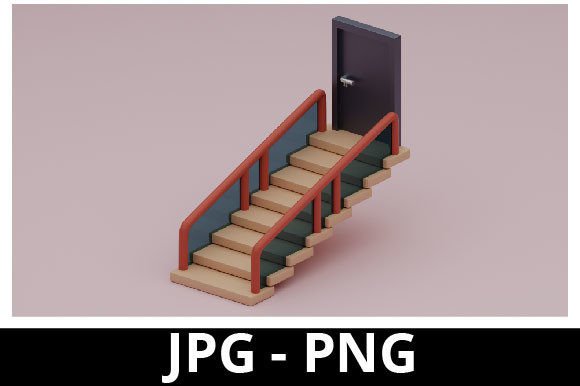
3D Rendered Stairs and Doors: Enhancing Design Projects with Precision and Creativity
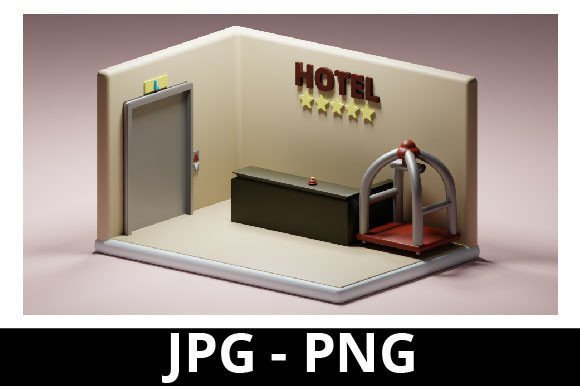
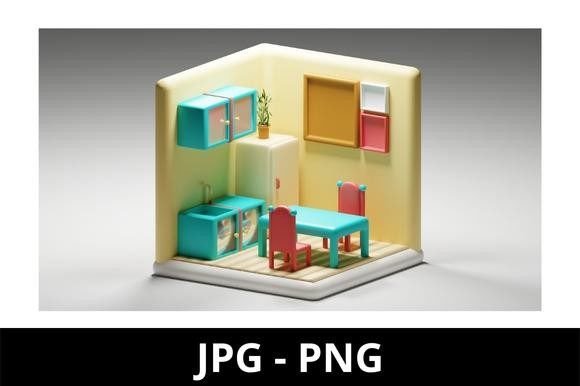
For designers, architects, and creators, 3D rendered stairs and doors are more than just visual elements—they're essential tools that can elevate the quality and impact of a project. Whether you're working on an apartment layout, a residential building, or an office space, these digital assets offer a level of detail and realism that traditional sketches or 2D blueprints simply can't match. With a ZIP folder containing high-quality JPG, PNG, and other formats, you can easily integrate these renders into your design workflow, saving time and improving communication with clients or stakeholders.
Why 3D Rendered Stairs and Doors Matter in Design
In the world of interior design and architectural visualization, the smallest details can make a big difference. A well-rendered staircase or door isn't just about aesthetics—it's about functionality, spatial awareness, and how people interact with a space. A 3D render allows you to visualize how a stairway will look from different angles, how light interacts with the railing, or how a door fits within a room’s overall design. This level of clarity is invaluable when presenting ideas to clients or refining your own concepts.
Whether you're aiming for a modern, minimalist look or something more intricate and colorful, 3D rendered stairs and doors provide flexibility. You can experiment with materials, colors, and styles without the need for physical prototypes, making the design process more efficient and cost-effective.
Common Mistakes When Working with 3D Renders
Despite their benefits, 3D rendered stairs and doors can be tricky if not used correctly. One common mistake is overlooking the importance of scale and proportion. A render that looks great in isolation might not fit well with the rest of the design, leading to inconsistencies or unrealistic expectations. Always check how the element integrates with the surrounding environment.
Another frequent issue is choosing low-quality files. Not all 3D renders are created equal. Some may lack detail, have poor textures, or be incompatible with your software. Before downloading or purchasing a ZIP folder, verify that the files meet your project's requirements. For example, if you're working on a residential design, ensure the stairs and doors are suitable for indoor use and include realistic lighting effects.
Overlooking the Importance of Context
Many designers focus solely on the object itself and neglect the context in which it will be placed. A beautiful 3D render of a door won’t help if it doesn’t align with the architectural style of the building. Similarly, a staircase that looks stunning in a render might appear out of place in a real-world setting if the materials or colors don’t match the rest of the design.
To avoid this, take the time to understand the overall vision of the project. Ask questions like: What is the mood of the space? Are we going for a sleek, modern feel or something more traditional? How will the stairs and doors affect the flow of movement? These considerations can guide your selection and ensure the final result is cohesive and impactful.
Practical Tips for Using 3D Rendered Stairs and Doors
To get the most out of your 3D renders, start by defining your goals. Are you using them for client presentations, marketing materials, or internal planning? Each use case may require different levels of detail and formatting. For instance, a presentation might benefit from high-resolution images with clear labels, while a quick sketch might only need a simple wireframe.
Another tip is to work with a variety of styles. Don’t limit yourself to one type of render. Experiment with different designs—modern, classic, minimalist, or ornate—to find what best suits your project. Many ZIP folders include multiple options, so take advantage of that diversity.
Checking for Compatibility and Quality
Before finalizing your choice, always check the file format and resolution. If you’re using a specific design software, ensure the 3D model is compatible. Some programs may not support certain file types, which could lead to delays or additional work. Also, consider the file size—large ZIP folders may be difficult to download or open on slower systems.
Additionally, review the texture and lighting in the render. Poorly lit or low-texture models can look flat and unprofessional. Look for renders that showcase depth, shadows, and realistic reflections to enhance the visual appeal of your project.
How to Make Better Choices When Selecting 3D Renders
When searching for 3D rendered stairs and doors, focus on reputable sources. Avoid generic or overly basic models that lack attention to detail. Instead, look for high-quality assets that reflect real-world design principles. A good render should show how the object interacts with its surroundings, including reflections on surfaces, shadows cast by the structure, and the way it connects with other elements in the space.
Also, consider the purpose of the render. Is it for a commercial project, a personal design, or a portfolio piece? The answer will influence the level of detail and realism required. For example, a render for a client presentation should be polished and professional, while a concept sketch might be more abstract or stylized.
Using 3D Renders for Communication and Collaboration
One of the greatest advantages of 3D rendered stairs and doors is their ability to improve communication. Whether you're working with a team or presenting to a client, a clear and accurate render can help everyone visualize the final outcome. It reduces misunderstandings and ensures that all parties are on the same page before any physical work begins.
However, it's important to remember that a render is just a tool. It should complement your design skills, not replace them. Use it as a reference, but don’t rely on it entirely. Always consider the practical aspects of the design, such as safety, accessibility, and user experience.
Conclusion: Making Informed Decisions with 3D Renders
3D rendered stairs and doors are powerful tools that can enhance your design projects in countless ways. From improving visualization to streamlining communication, these digital assets offer value at every stage of the process. However, their effectiveness depends on how they're chosen, used, and integrated into your workflow.
By avoiding common mistakes, checking for quality and compatibility, and focusing on the bigger picture, you can ensure that your 3D renders contribute positively to your project. Whether you're a beginner or an experienced designer, taking the time to make informed decisions will lead to better results and greater satisfaction in your work.